Tangem vs Ledger: Which Hardware Wallet Is Better for You?
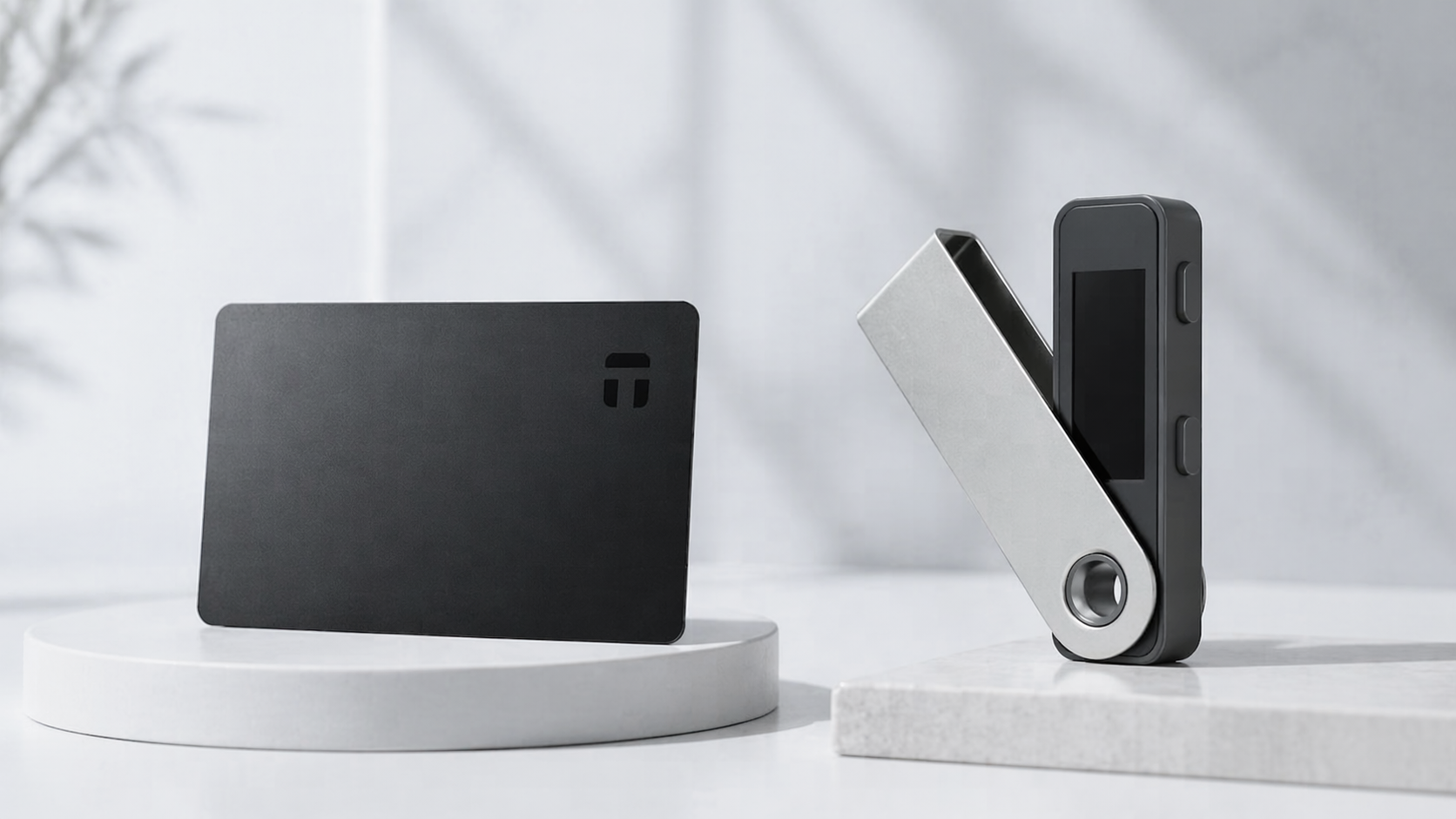
Tangem vs Ledger is a card wallet vs hardware wallet device decision for many buyers. Tangem often appeals to beginners who want a simple card-based cold wallet, while Ledger often appeals to people who want broader app flexibility, multi-asset support, and a device-based hardware wallet comparison before choosing.
Tangem vs Ledger: Key numbers at a glance
Compare official Tangem and Ledger numbers, setup style, security positioning, supported assets, and app flexibility before choosing your wallet.
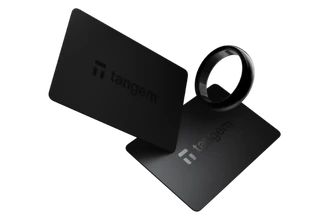

Tangem
Simple card-based cold storage
- 6M+cards
- 0 out of 6Mcards hacked since 2017
- 2-minuteactivation
- 14,100+tokens
- 90+blockchains
- EAL6+chip certification
- 25-yearlimited hardware warranty
- No batteries, no cables
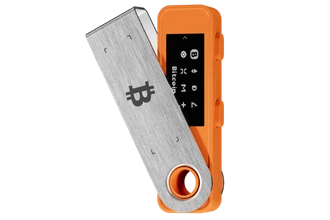

Ledger
Flexible crypto management
- 8M+signers sold
- 20%+global crypto secured
- Zero hacksofficial brand claim
- 15,000+crypto supported
- 90+chains
- 50+service providers
- Secure Element chip + Ledger OS
Quick decision guide
Decide what you want cold storage to feel like
If you want it to feel quick, light, and approachable, Tangem usually enters the conversation first. If you want broader range, Ledger usually does.
Think beyond setup day
Some users mainly care about low-friction ownership. Others want one hardware wallet that still works when their needs expand beyond a simple start.
Match the wallet to your next year
Tangem may suit the simplest path. Ledger may suit the wider path. The better answer often shows up when you imagine your actual use, not the marketing headline.
Tangem vs Ledger comparison: at a glance
Tangem usually wins on lower friction
Tangem is often considered by users who want cold storage without a complicated setup or device workflow.
Ledger usually wins on broader range
Ledger can be a better fit for people who want one hardware wallet that can support broader crypto activity.
Tangem may feel easier for a first step
If your main concern is avoiding setup friction, Tangem often feels easier to picture using correctly.
Ledger may feel broader over time
People who want more room to grow often find Ledger easier to justify as an all-round choice.
How to read this comparison
This comparison is mainly about tradeoffs, not winners. Tangem is usually chosen for lower-friction cold storage and beginner-friendly card wallet setup, while Ledger is more often preferred when broader flexibility, portfolio coverage, and more all-round usage matter more.
Quick comparison matrix
Convenience, flexibility, and everyday reality
Tangem
Tangem may be a better fit for people who want a lower-friction entry into cold storage and care most about speed, simplicity, and approachability.
Ledger
Ledger may suit people who are comfortable with a somewhat more involved setup in exchange for a broader all-round hardware wallet experience.
Tangem may feel lighter
Tangem can make sense if you want cold storage to stay lightweight and straightforward rather than expansive.
Ledger may feel broader
Ledger may be a better fit if you want one hardware wallet that can support broader portfolio needs and more varied usage over time.
If you are still unsure which tradeoff sounds more like you, find your wallet match with the WalletMatcher quiz.
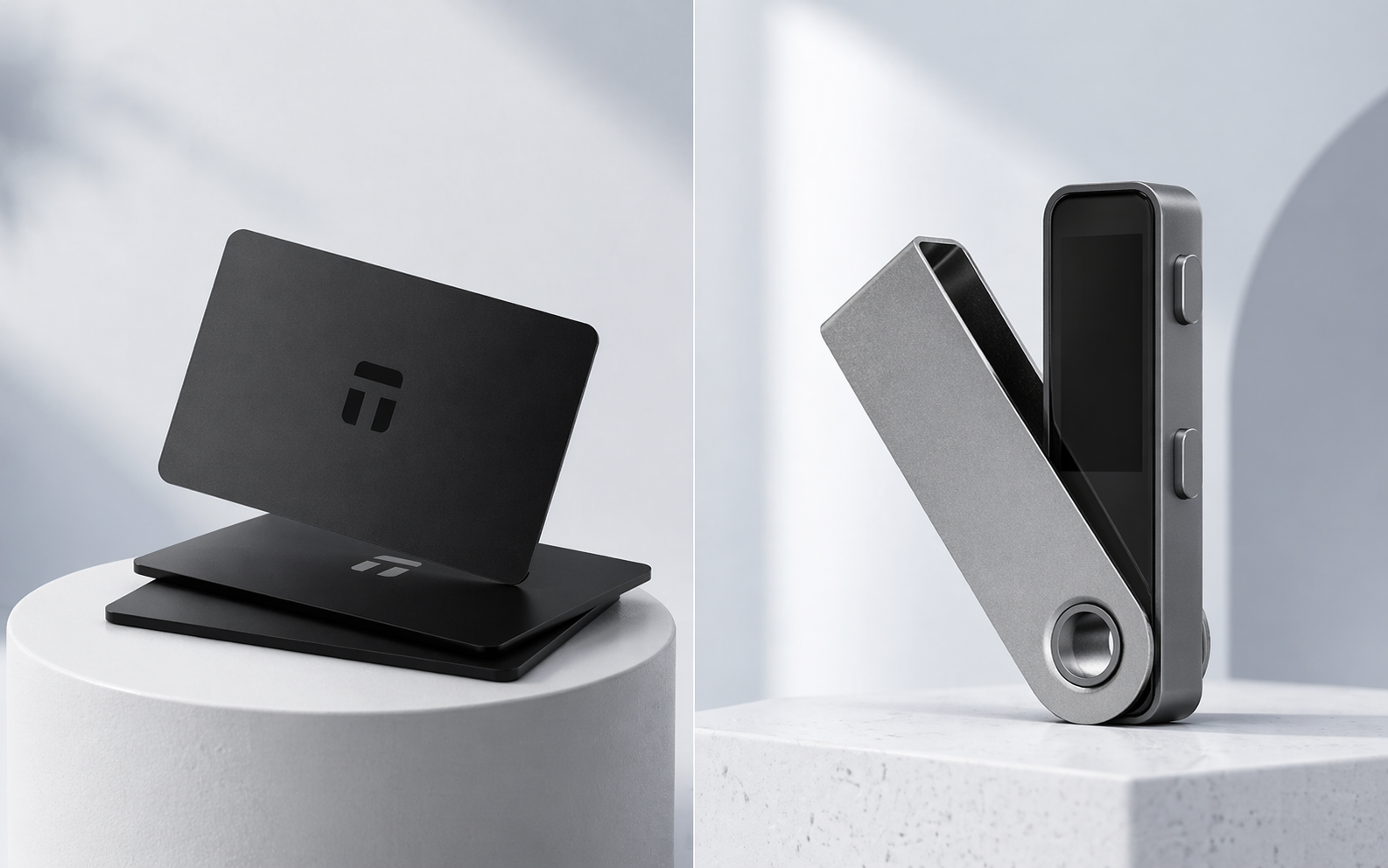
Simplicity versus flexibility, shown more clearly
This comparison usually works best when the visual reinforces the main decision: do you want a lower-friction cold wallet experience, or a device that feels broader and more adaptable over time?
Who this may fit better
Better if simplicity is the goal, not just a preference
- You care most about speed and simplicity.
- You want a more approachable cold wallet setup.
- You prefer a lightweight, low-friction day-to-day experience.
Better if you want one wallet to cover more scenarios
- You want more flexibility across hardware wallet use cases.
- You hold more than just one asset.
- You want a stronger balance between security and convenience.
This page may contain partner links to official wallet websites.
Want a clearer recommendation between Tangem and Ledger?
The WalletMatcher quiz can help point you toward the hardware wallet style that fits your security preferences, experience level, and storage habits.
This page may contain partner links to official wallet websites.
FAQ
Is Tangem easier than Ledger?
For many people, yes. Tangem often feels simpler because it is aimed at lower-friction cold storage. That does not automatically make it the better fit if you want more range later.
Is Ledger a better long-term choice?
Ledger may be the better long-term choice for people who expect their wallet needs to broaden. It is not automatically better for buyers who mostly want cold storage to stay simple.
Which may fit a beginner better?
If the beginner mainly wants the simplest possible cold wallet experience, Tangem may feel easier. If they want more room to grow, Ledger may make more sense.
Is this a card wallet vs hardware wallet comparison?
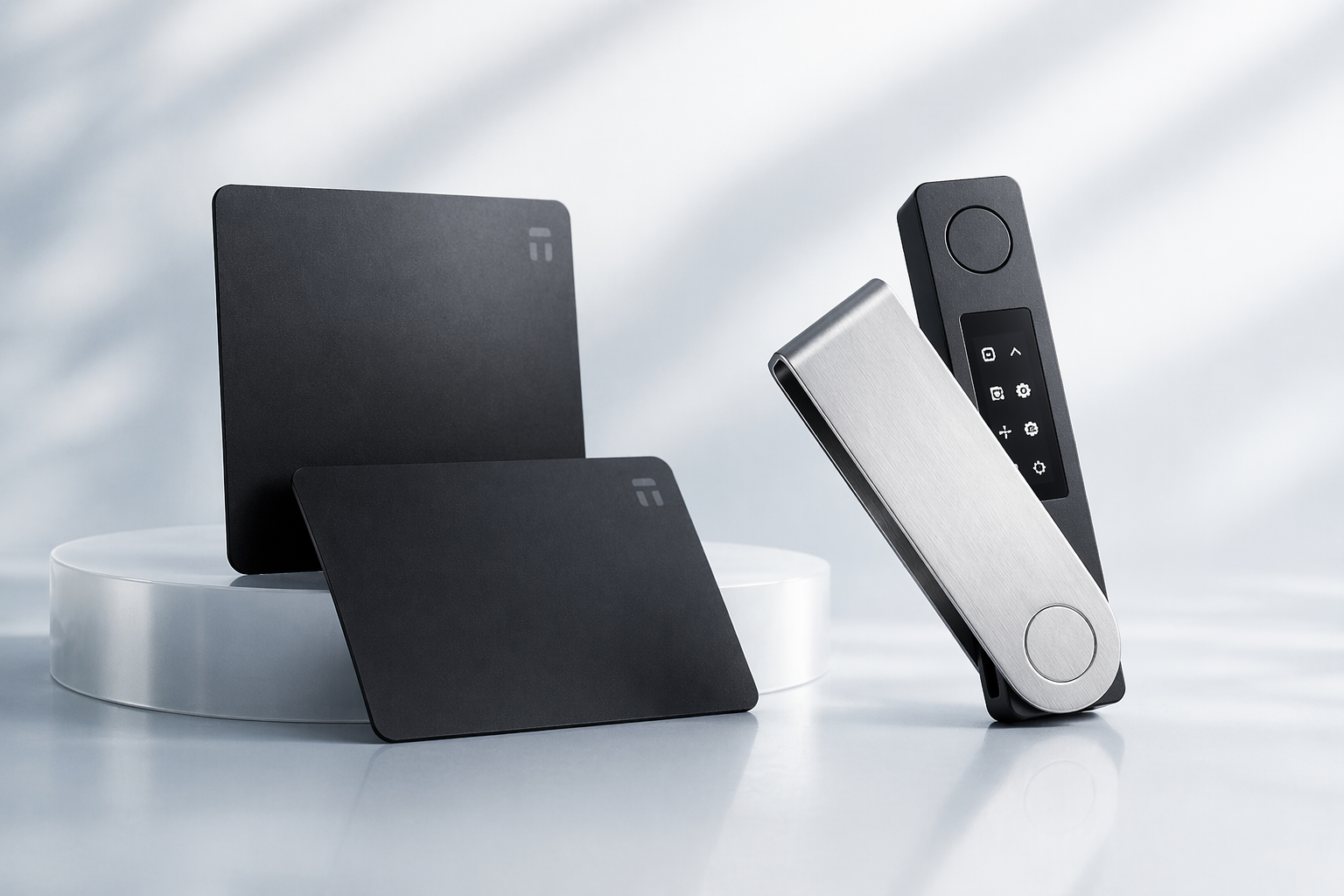
Yes. Tangem is a card-style hardware wallet experience, while Ledger is a device-based hardware wallet experience.
Is Ledger too much for someone who only transacts sometimes?
Not necessarily. Ledger can still fit occasional use well, especially if you want one hardware wallet that covers more scenarios over time.
Does this page compare hardware wallets only?
Yes. This page focuses on hardware wallets and cold wallets only, not exchange wallets, browser wallets, hot wallets, or software wallets.