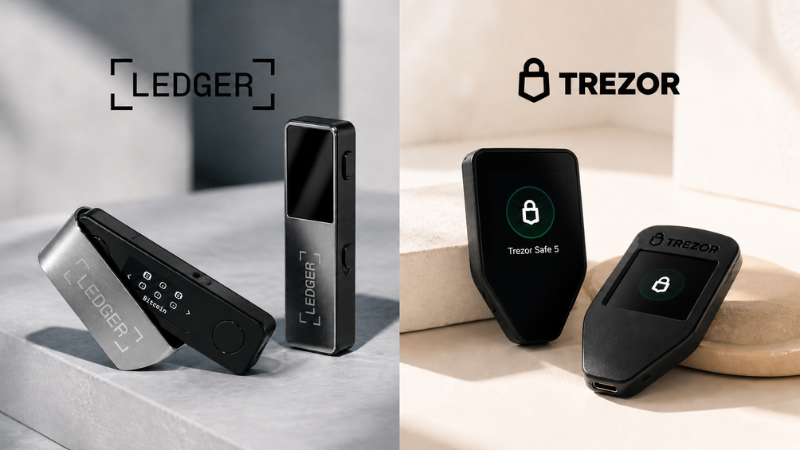
Best Cold Wallet for Bitcoin: Choosing the Right Hardware Setup
For Bitcoin-focused storage, the best cold wallet is usually the one that matches how seriously you take long-term self-custody, how often you move funds, and how simple or deliberate you want the setup to feel.
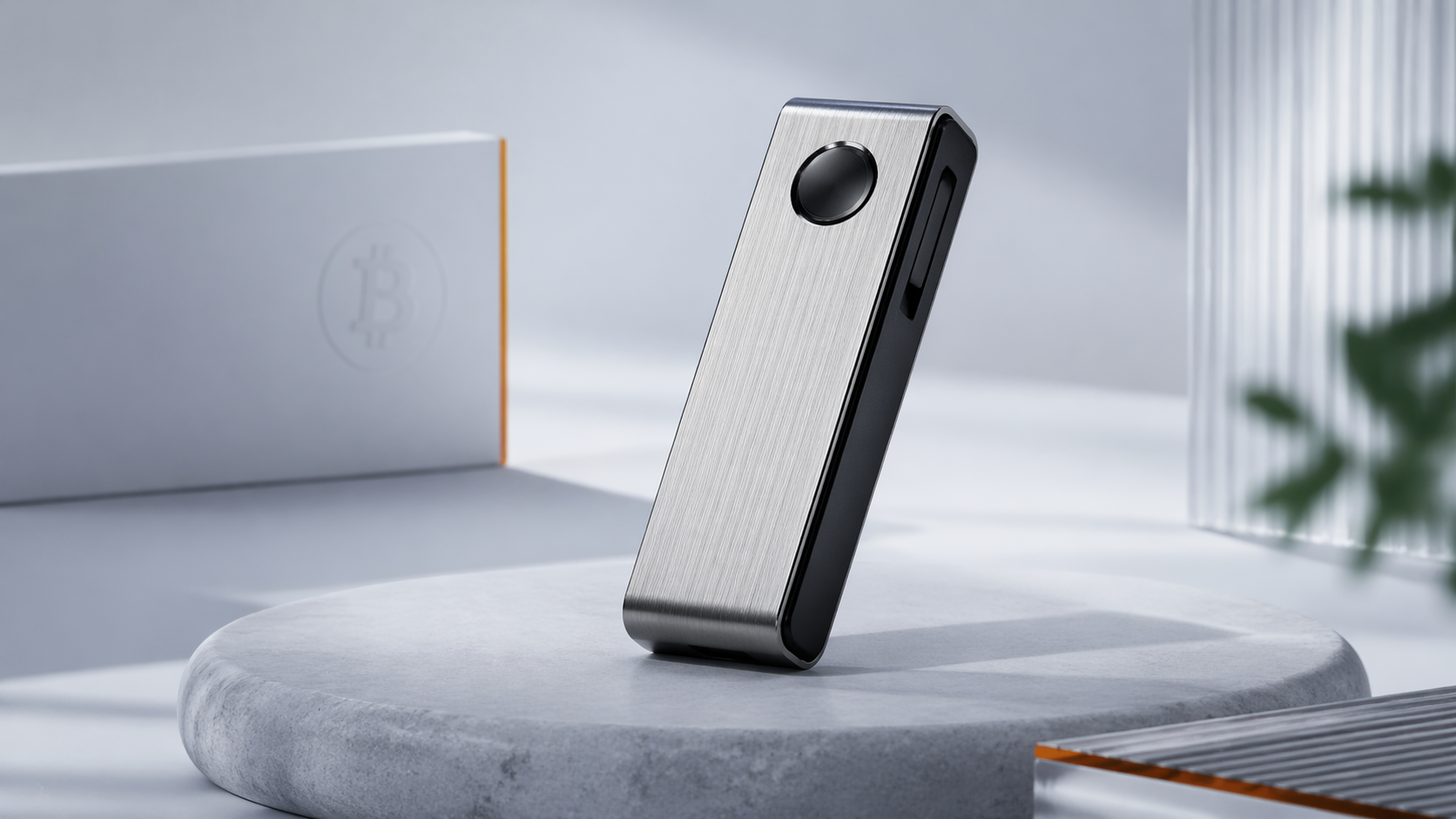
Key facts
 Trezor
Official product pages highlight 12+ years in crypto security.
Trezor
According to the official site, Trezor is trusted by over 2 million users worldwide.
What matters most for Bitcoin cold storage
Confidence over constant features
Many Bitcoin-focused users want a cold wallet they can trust for long-term storage rather than one built around constant activity.
Clear recovery matters early
A strong Bitcoin setup often starts with a backup approach you understand and are willing to manage carefully.
Less noise can be an advantage
If you move Bitcoin rarely, you may value simplicity and confidence more than broader flexibility.
Quick decision guide
Decide whether you are mostly storing or also expanding
If your priority is long-term storage discipline, a storage-first setup may make more sense. If you still want broader future flexibility, the answer can change.
Think about transaction frequency
Bitcoin holders who transact rarely often care more about confidence and simplicity than about broader day-to-day device range.
Match the wallet to your storage mindset
The better cold wallet is usually the one you are most likely to manage correctly over time, not the one with the longest list of features.
If you already know you are mostly storing, not transacting, take the quiz to narrow the best hardware wallet style faster.
How to use this guide
This is not a generic wallet roundup. It is a hardware wallet guide for people thinking specifically about Bitcoin storage, where simplicity, backups, long-term confidence, and storage discipline often matter more than extra features.
Why storage-first setups often appeal to Bitcoin holders
Storage-first setups may feel more aligned
Bitcoin-focused holders often want a cold wallet that feels stable, understandable, and easy to trust over time. For many people, that means prioritizing strong self-custody habits and a setup they are comfortable using correctly.
Flexibility can still matter
Some Bitcoin holders still prefer a more flexible hardware wallet if they want one device that can leave room for broader portfolio needs later.
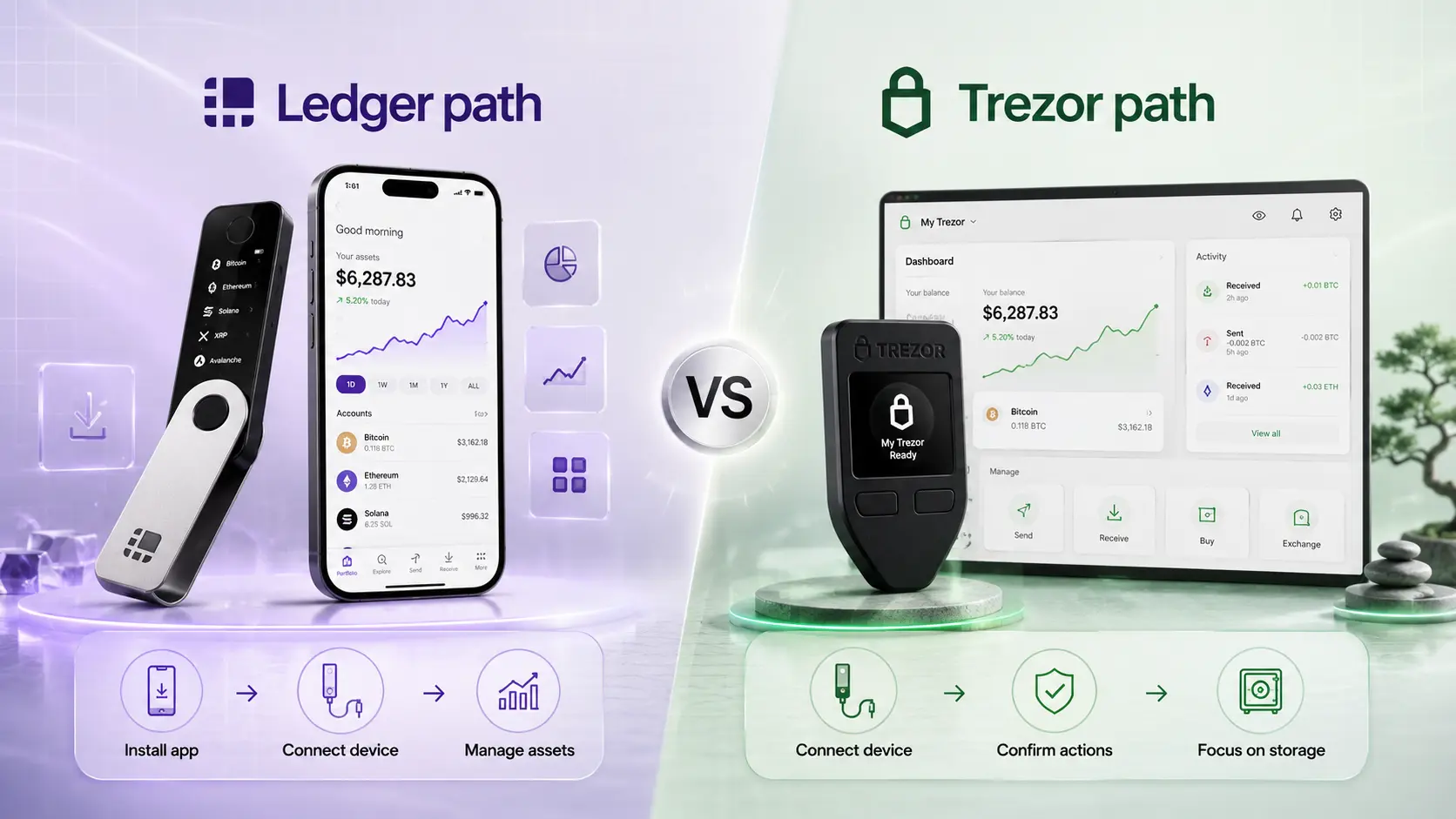
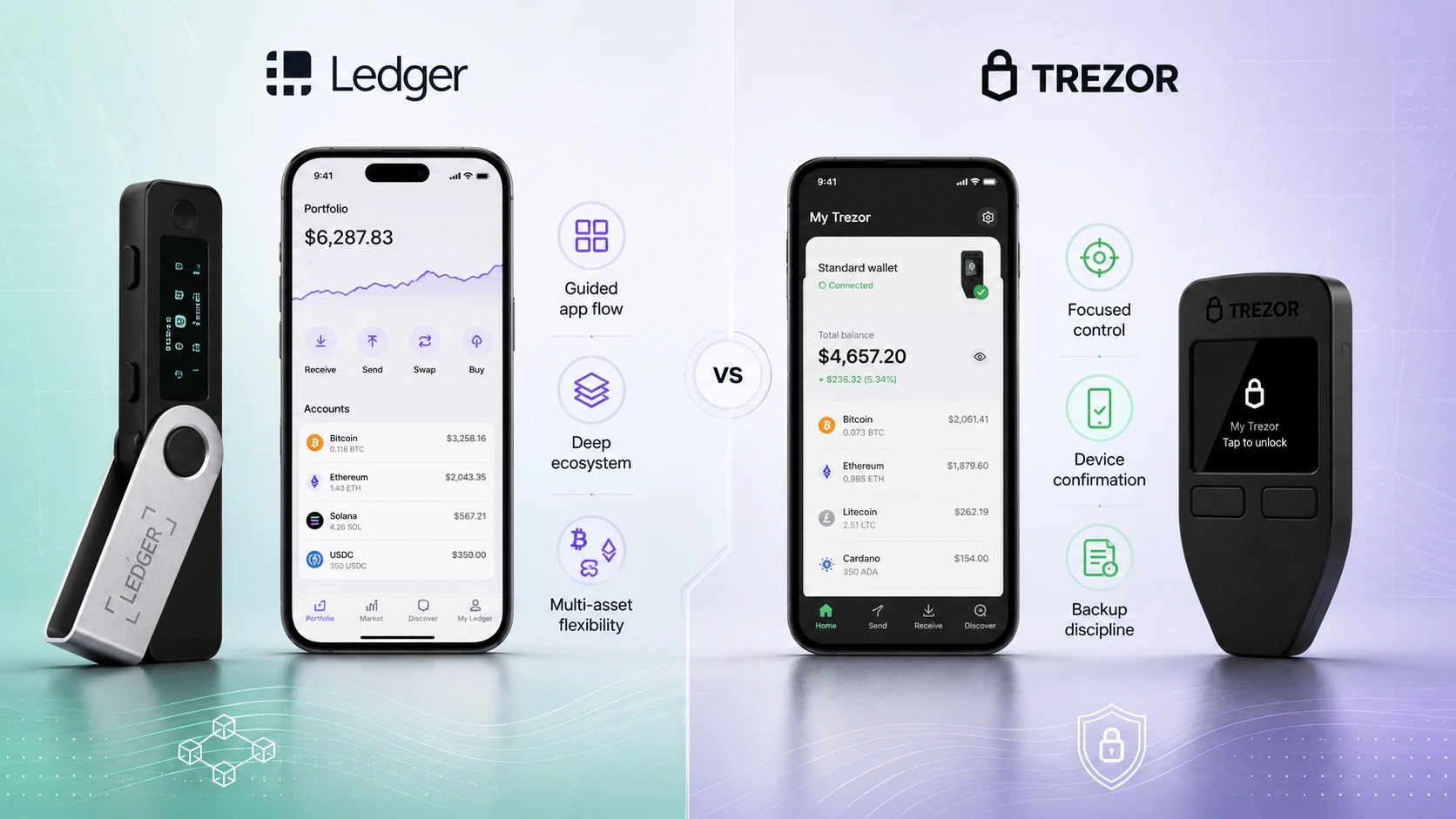
If you are choosing between two mainstream devices, start with our Ledger vs Trezor comparison.
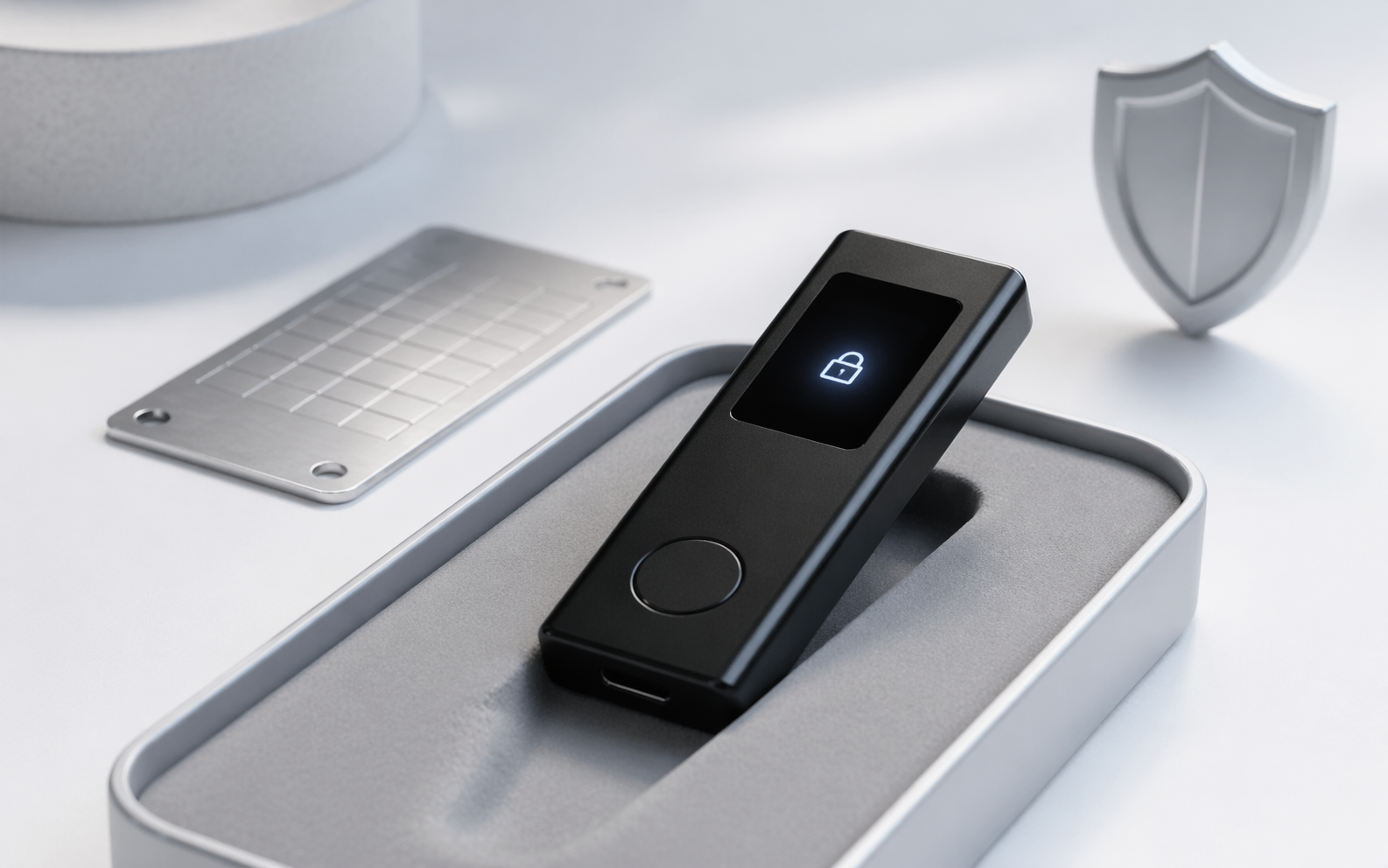
Security visuals should support clarity, not hype
Bitcoin storage decisions usually come down to discipline, backups, and confidence over time. A supporting visual here should reinforce that mindset without turning the page into a flashy product pitch.
Hardware wallet styles that often fit Bitcoin holders
Often strongest for long-term holders
Often makes sense for Bitcoin holders who care most about long-term storage, traditional self-custody, and a more serious security routine.
Often strongest for mixed priorities
Can make sense if you hold mostly Bitcoin but still want one device that leaves room for broader portfolio needs later.
Often strongest when approachability matters
Can be appealing if you want cold storage without a complicated setup and are trying to keep the process approachable.
If you want a recommendation based on your own storage amount and transaction habits, take the WalletMatcher quiz.
Which Bitcoin storage style may fit you better
Better if you rarely move funds
A more security-first hardware wallet can make more sense if you rarely move funds, plan to hold for the long term, and want a cold storage process that feels deliberate rather than quick.
Better if you want one setup to stretch further
A more flexible hardware wallet may still be the better fit if you hold mostly Bitcoin but want one device that can also support broader portfolio needs without changing setups later.
This page may contain partner links to official wallet websites.
Need a more tailored Bitcoin recommendation?
The WalletMatcher quiz can help narrow the choice based on how much Bitcoin you store, how often you send, and how you prefer to approach cold storage.
FAQ
Is the best cold wallet for Bitcoin always the most secure one on paper?
Not necessarily. The best fit also depends on whether you will use the setup correctly and comfortably over time.
Do Bitcoin-only holders need the same cold wallet as multi-asset users?
Often not. Bitcoin-focused holders may care more about simplicity, security habits, and long-term storage than about broad flexibility.
Is a storage-first wallet usually the better choice for Bitcoin?
Often, yes, especially for long-term holders. But not everyone wants the same level of setup formality, which is why some Bitcoin buyers still prefer a more flexible device.
Can a beginner still choose a Bitcoin-focused cold wallet?
Yes. Many beginners start with Bitcoin-first priorities, but the right device still depends on how much simplicity or traditional self-custody they want.
Why do Bitcoin holders often talk about simplicity?
Because many of them move funds infrequently and want a setup they can trust over years, where clear recovery habits matter more than extra moving parts.
Can a more flexible wallet still make sense for mostly Bitcoin storage?
Yes. It can make sense if you want one device that leaves room for broader portfolio needs later, even if Bitcoin is the current focus.