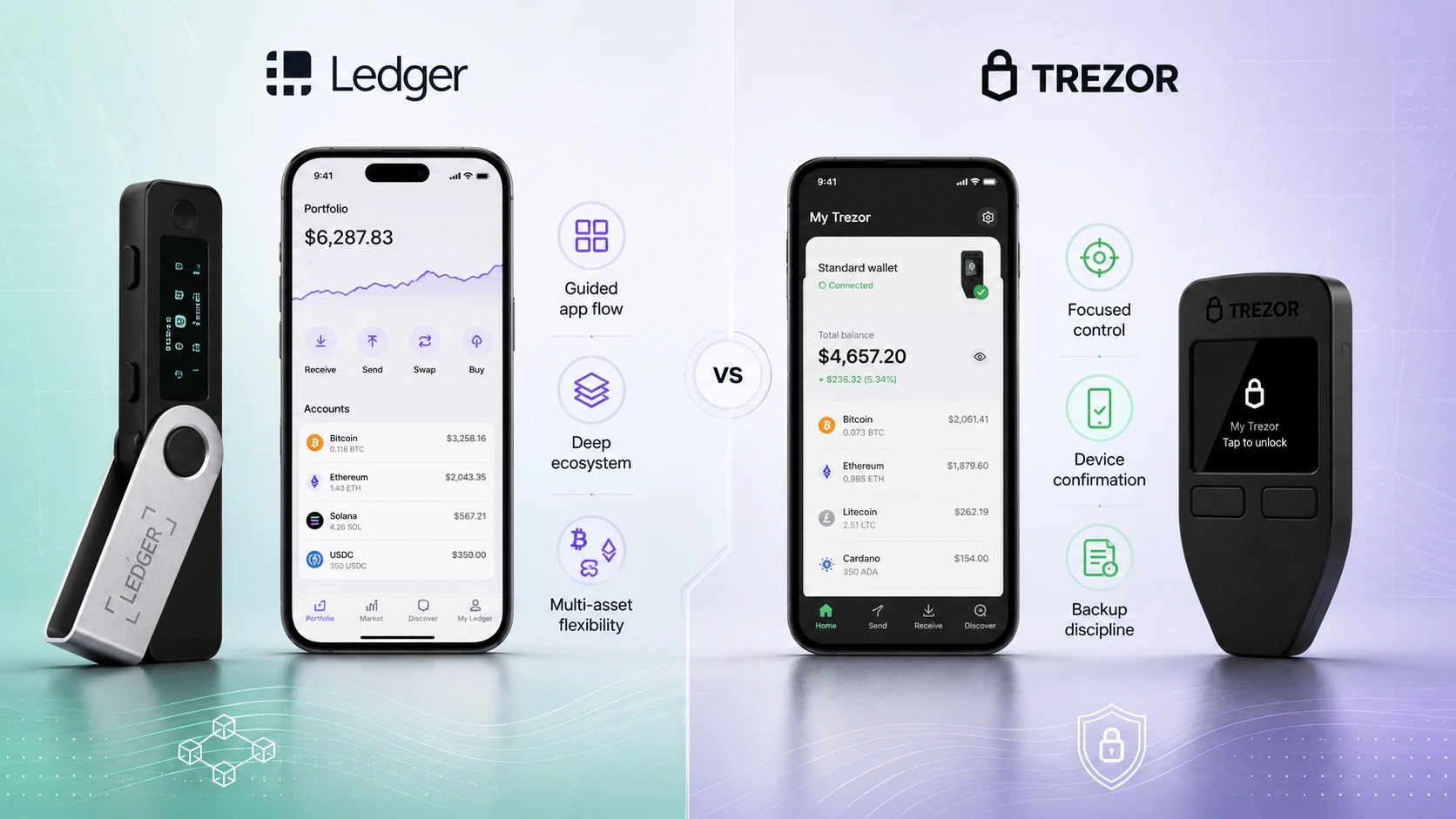
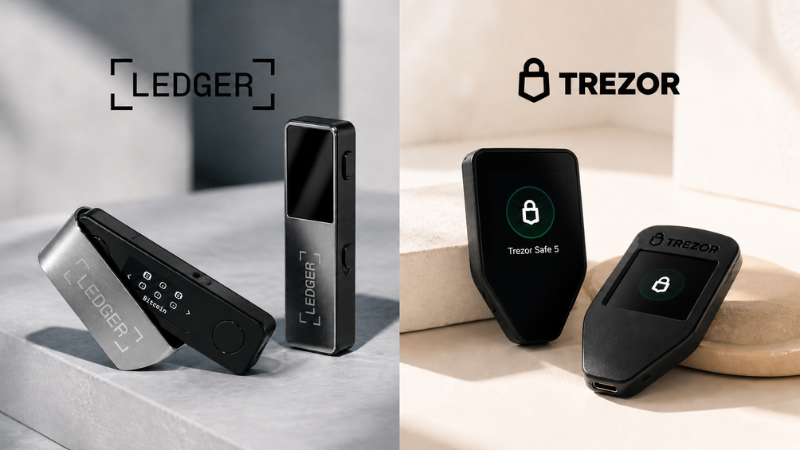
Best Hardware Wallet for Beginners: What Actually Matters
The best beginner hardware wallet is usually not the one with the longest feature list. It is the one that makes cold storage feel understandable, manageable, and realistic for the way you actually plan to hold crypto.
Key facts
 Trezor
According to the official site, Trezor is trusted by over 2 million users worldwide.
 Tangem
Official product pages highlight 14,100+ assets across 90+ networks.
What beginners should prioritize
Choose a setup you will actually finish
Many beginners prefer a cold wallet that feels straightforward enough to set up without making security feel abstract or intimidating.
Backup style matters early
A wallet is only beginner-friendly if its backup expectations feel realistic for the way you plan to manage long-term self-custody.
Buy for your likely use, not every use
Someone holding Bitcoin only may want something different from a beginner who expects to hold several assets over time.
Quick decision guide
Start with your stress point
If the main risk is putting off setup, a simplicity-first option may help. If the main goal is stronger storage habits, a more traditional setup may feel better.
Pick the right learning curve
Some beginners want the least intimidating path. Others want to learn a more deliberate cold storage routine once and keep it.
Avoid buying for someone else’s needs
The best beginner wallet is usually the one you are most likely to understand, back up properly, and keep using with confidence.
If you already know your biggest concern is either simplicity or long-term storage habits, take the quiz and skip the guesswork.
How to use this guide
There is no single best cold wallet for every beginner. The better fit depends on whether you care most about an easy start, classic self-custody habits, broader flexibility, or a device that can grow with a broader portfolio over time.
Simplicity vs security: the tradeoff beginners usually feel first
Good when overwhelm is the biggest risk
These wallets may feel easier for new users who want a quick start and a lower-friction day-to-day experience.
Good when deliberate habits matter most
These may suit beginners willing to learn a more classic hardware wallet process in exchange for a stronger storage-first mindset.
Good when you want room to grow
A balanced hardware wallet may make more sense if you want one device that still feels practical as your portfolio and confidence change.
Common beginner mistakes when choosing a cold wallet
Buying for features you may not use
Many first-time buyers choose the most feature-rich option before asking whether they actually need that complexity in the first place.
Ignoring backup comfort
A wallet is only beginner-friendly if its backup approach feels realistic for how you plan to manage long-term self-custody.
Copying someone else’s setup
A wallet that works for an experienced trader or a Bitcoin-only long-term holder may not be the right fit for a beginner with different habits.
Confusing convenience with fit
The easiest-looking wallet is not always the best choice if you already know you want a more serious long-term storage routine.
How WalletMatcher helps beginners narrow the choice
WalletMatcher does not assume every beginner needs the same device. It looks at how much you store, how often you send, how much simplicity you want, and how comfortable you are with cold storage.
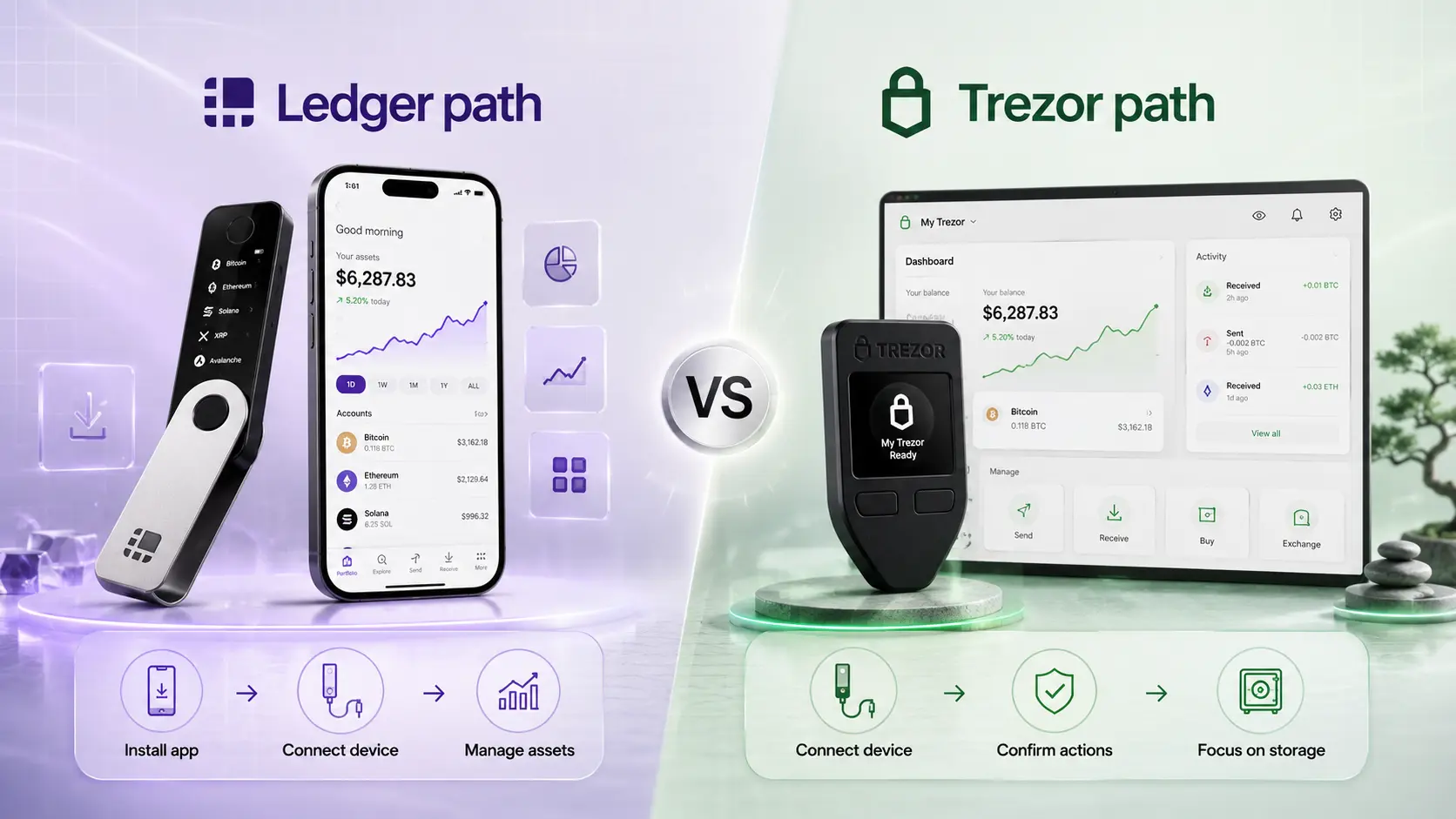
If you already know you are comparing two specific brands, start with Ledger vs Trezor or Tangem vs Ledger.
Onboarding matters more than feature count
For beginners, the setup experience is often where confidence is won or lost. A clean onboarding flow, understandable backup routine, and realistic day-one experience usually matter more than a long list of advanced capabilities.
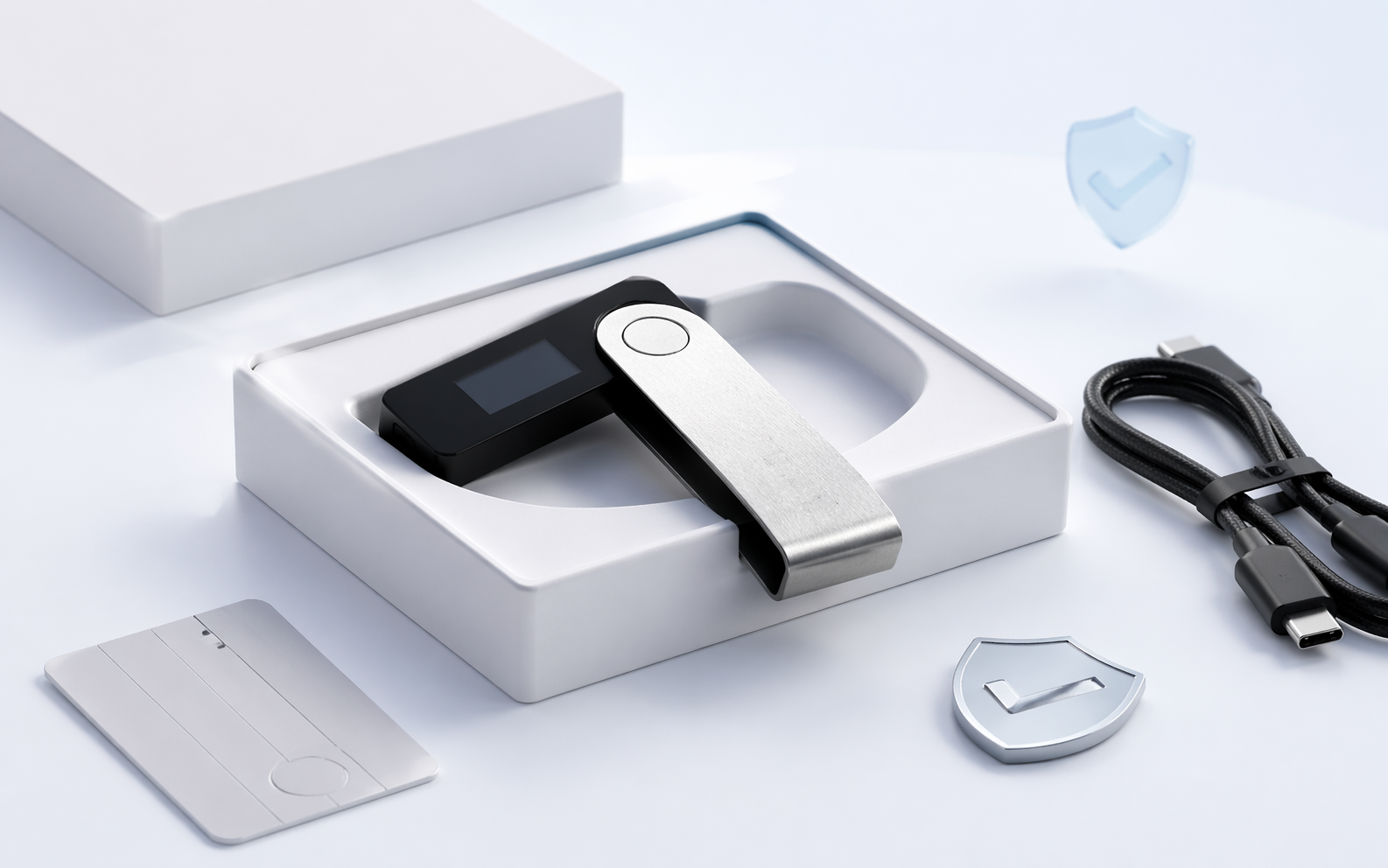
Which hardware wallet styles may fit beginners best
Often best for the broad middle
May be better for beginners who want one device that can still grow with them as their portfolio and confidence change.
Often best when ease matters most
May be better for beginners who care most about ease of use and want the least intimidating path into cold storage.
Often best when long-term habits matter most
May be better for beginners who care most about long-term security and are comfortable learning a more classic self-custody routine.
If you want a quicker answer, take the WalletMatcher quiz to match your experience and habits.
Which beginner path may fit you better
Start simpler if friction is your biggest risk
A simplicity-first cold wallet may be the better starting point if the biggest risk for you is putting off setup, skipping backups, or feeling overwhelmed by a more involved process.
Start more deliberately if storage is the point
A more storage-first hardware wallet may make more sense if you are comfortable learning a more traditional self-custody process in exchange for a setup that feels more deliberate over the long run.
This page may contain partner links to official wallet websites.
Need a clearer beginner recommendation?
The easiest way to narrow your options is to answer the WalletMatcher quiz and see which hardware wallet style fits your storage habits, comfort level, and security preferences.
FAQ
What is the best hardware wallet for a complete beginner?
There is no universal winner. A complete beginner usually does best with the setup they are most likely to understand, back up properly, and keep using with confidence.
Should beginners buy the most advanced option?
Not necessarily. Many beginners do better with a device they understand and will use correctly, rather than one with extra complexity they may not need yet.
Is a simpler wallet always better for beginners?
No. Simplicity helps some people get started, but others would rather learn a more traditional setup once and keep it for long-term storage.
What should a beginner look at first?
Usually setup friction, backup comfort, and whether the wallet matches what you actually plan to hold and do, not just the longest feature list.
Is Bitcoin-only storage easier for beginners to reason about?
Often yes. A simpler portfolio can make the decision feel clearer, especially if long-term storage is the main goal.
Can the quiz help narrow the choice?
Yes. The quiz is designed to point beginners toward a hardware wallet style that matches their storage amount, habits, and comfort level.