Seedless Wallet vs Seed Phrase: Which Is Better?
Seedless wallets and seed phrase wallets are two different answers to the same self-custody problem: how do you recover access later without making the backup so fragile that one mistake ends everything?
Short answer: seedless can feel easier, seed phrases are more portable
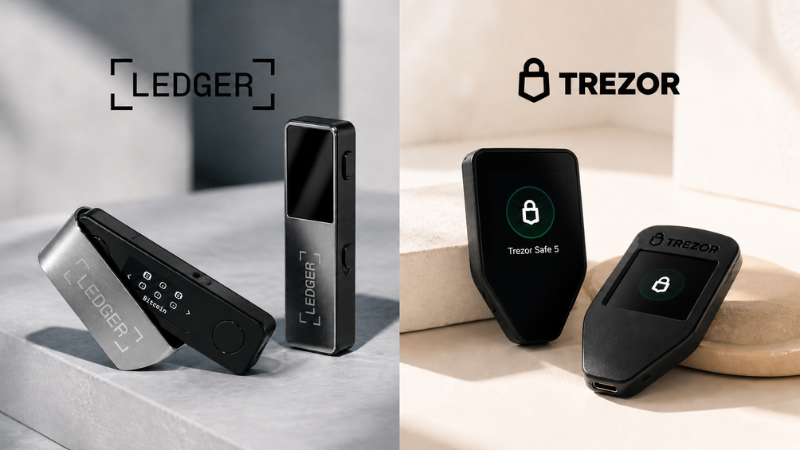
A seedless or card-based setup can feel easier because it reduces the stress of writing and storing recovery words. A seed phrase wallet can be more portable and familiar, but only if you protect the phrase well. Tangem is often the seedless or card-style comparison point, while Ledger and Trezor usually fit the traditional recovery phrase model.
Quick facts to compare first
The real tradeoff is backup responsibility
A seed phrase puts recovery responsibility into a set of words. That can be excellent for portability, but dangerous if the words are photographed, typed into a website, thrown away, or stored where someone else can find them.
A seedless or card-based wallet shifts the experience toward wallet-specific backup rules. This can feel calmer during setup, but the user still needs to understand replacement, extra cards, phone changes, and what happens if cards are lost.
Two backup paths to understand before choosing
Seed phrase path
- Written recovery words
- Broad wallet-standard familiarity
- User-controlled physical backup
- Strong personal backup responsibility
Seedless path
- Wallet-specific backup design
- Card or device-based recovery options
- Simpler setup for some users
- More dependence on the chosen ecosystem
Wallet-specific recommendation cards
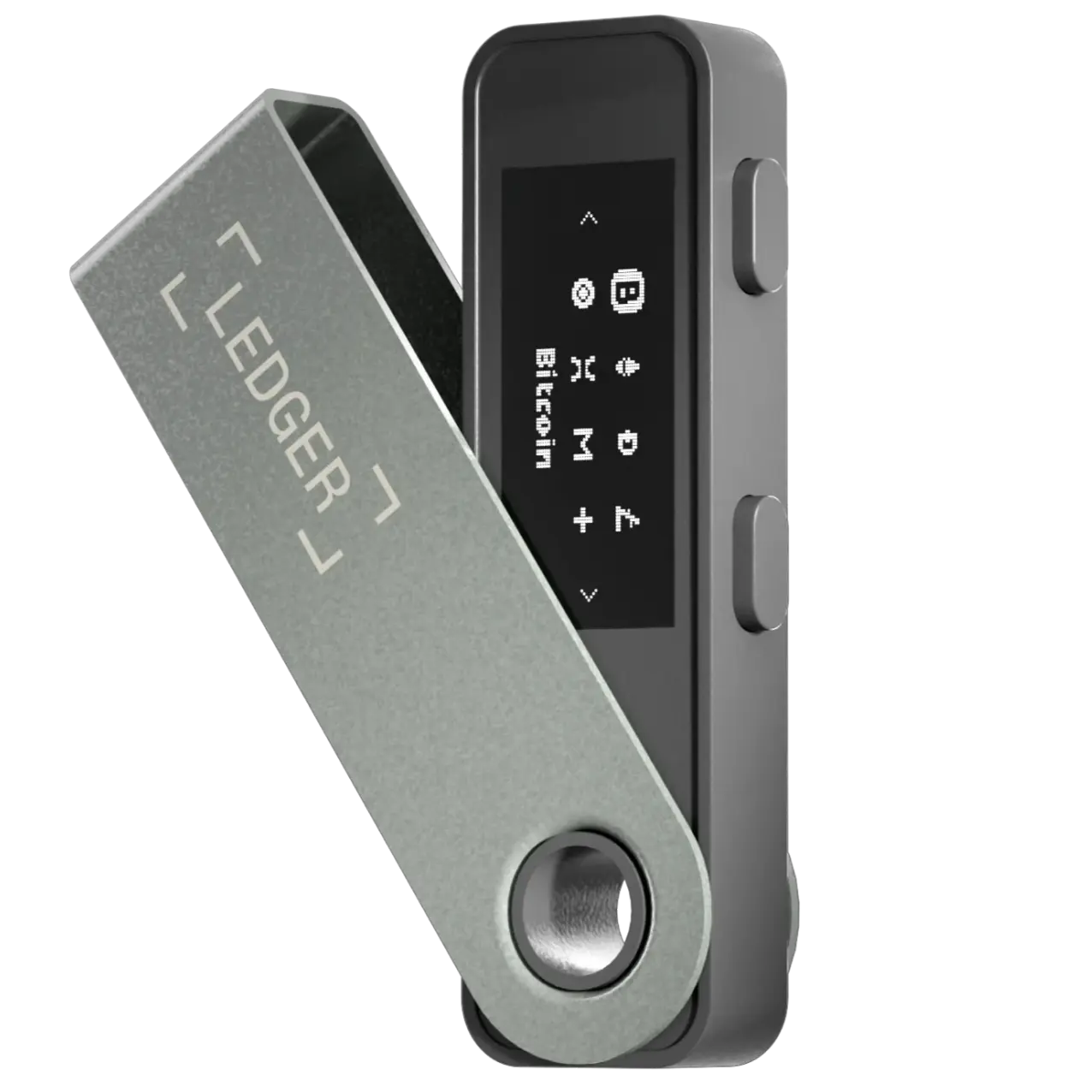
Ledger
Ledger fits users who are comfortable protecting a Secret Recovery Phrase and want broader crypto management flexibility.
View Ledger →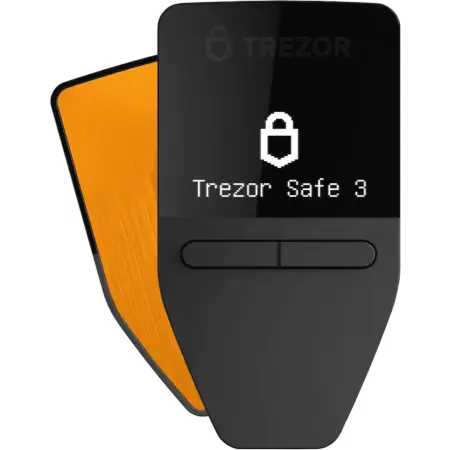
Trezor
Trezor fits users who value transparent self-custody habits and a recovery phrase flow with Trezor Suite.
View Trezor →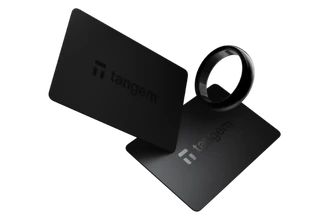
Tangem
Tangem fits users drawn to card/mobile-first setup, backup cards, and a seedless-style experience when configured that way.
View Tangem →Seedless wallet vs seed phrase comparison
| Factor | Seed phrase wallet | Seedless or card wallet |
|---|---|---|
| Backup object | Recovery words, usually written offline. | Card set, device-specific backup, or optional seed setup depending on wallet. |
| Beginner mistake risk | Typing or photographing the phrase is dangerous. | Misunderstanding replacement cards or phone flow is dangerous. |
| Long-term storage | Strong if the phrase is durable and private. | Strong only if the card/backup rules are understood. |
| Mobile convenience | Depends on app and device. | Often stronger for card/mobile-first wallets. |
Official facts and key numbers to know
Helpful next steps
If you are unsure whether written recovery words or a seedless-style card setup fits your habits, use the quiz to compare wallet styles.
Take the WalletMatcher Quiz Find the wallet style that fits your backup and storage habitsSeedless wallet vs seed phrase FAQ
Is a seedless wallet safer than a seed phrase?
Not automatically. A seedless setup can reduce some phrase-handling mistakes, but it has its own backup rules that must be understood.
Is a seed phrase dangerous?
A seed phrase is powerful, not inherently dangerous. The risk comes from storing it badly, typing it into websites, or losing it.
Does Tangem require a seed phrase?
Tangem supports card-based setup and may offer optional seed phrase choices depending on the flow. Check the current official Tangem instructions.
Do Ledger and Trezor use seed phrases?
Ledger and Trezor commonly use recovery phrase based backup flows, with additional options depending on setup and model.
Which is better for beginners?
The better option is the backup model you can explain, store, and recover from without guessing.
WalletMatcher is educational and may use sponsored wallet links. This page does not provide financial, tax, legal, or security advice. Always verify backup rules with the official wallet provider.